Heritage Cookery 5 min read
Secrets of Gushtaba: The Royal Velvet Meatball
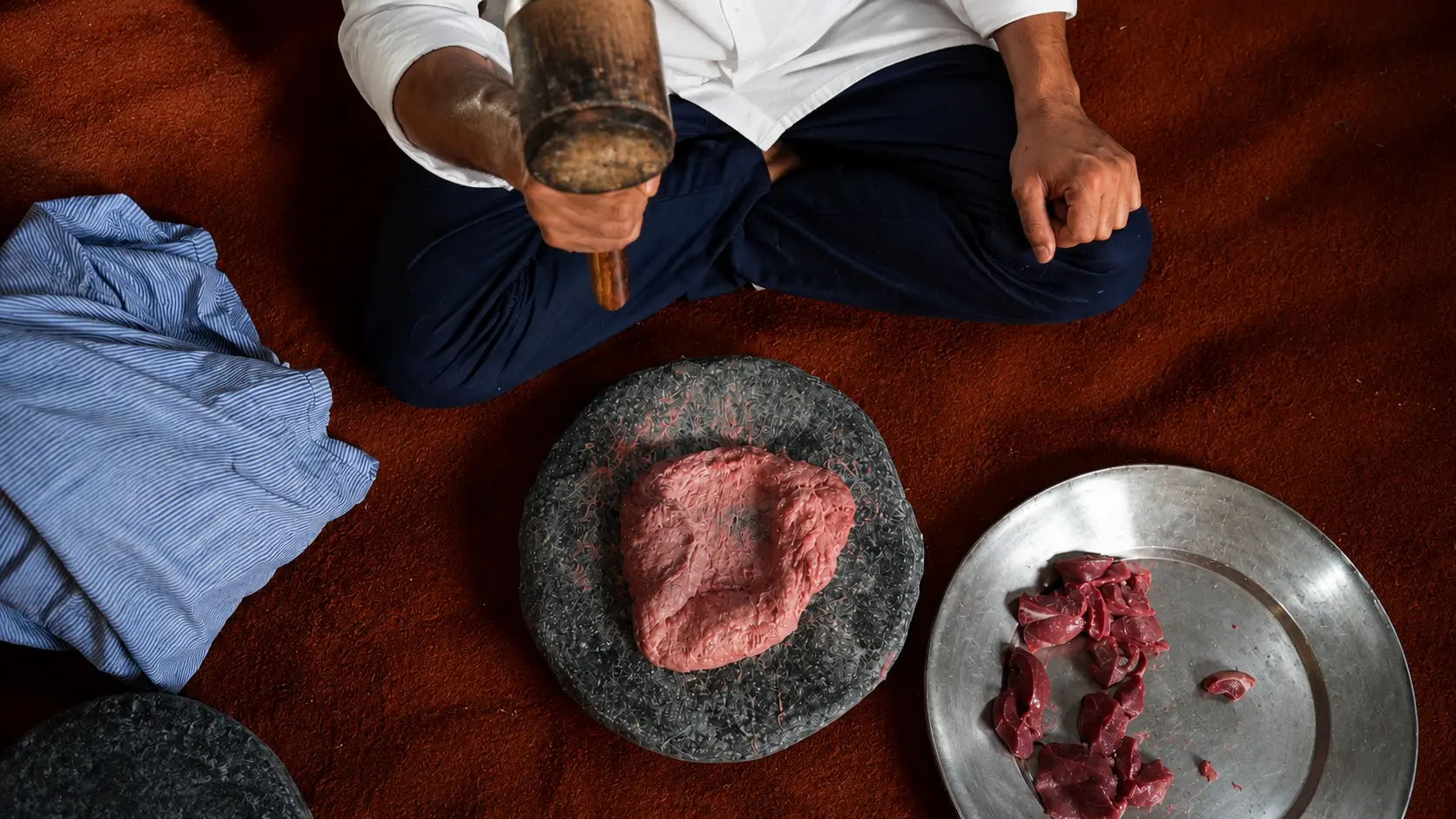
If wazwan is a symphony, Gushtaba is the final, triumphant crescendo. The meat must be hand-pounded on walnut wood...
Waza Rashid June 14, 2026
Deep dives into the ancient traditions, cooking techniques, and daily rituals that shape the gastronomic heritage of the Kashmiri valley.
If wazwan is a symphony, Gushtaba is the final, triumphant crescendo. The meat must be hand-pounded on walnut wood...
Step into any Kashmiri neighborhood at dawn and you will follow the aroma of wood smoke and baking dough straight to the Kandur...
One is amber, sweet, and spiced with cardamom and saffron; the other is pink, salty, and thick with butter and baking soda...
To eat from a Trami is to share a bond of brotherhood. You sit in groups of four, removing shoes, and washing hands with the Tasht-naer...
At the heart of Kashmiri culinary identity lies a closely guarded secret, a flavor profile so complex and punchy that it defines the very soul of the region's dishes...
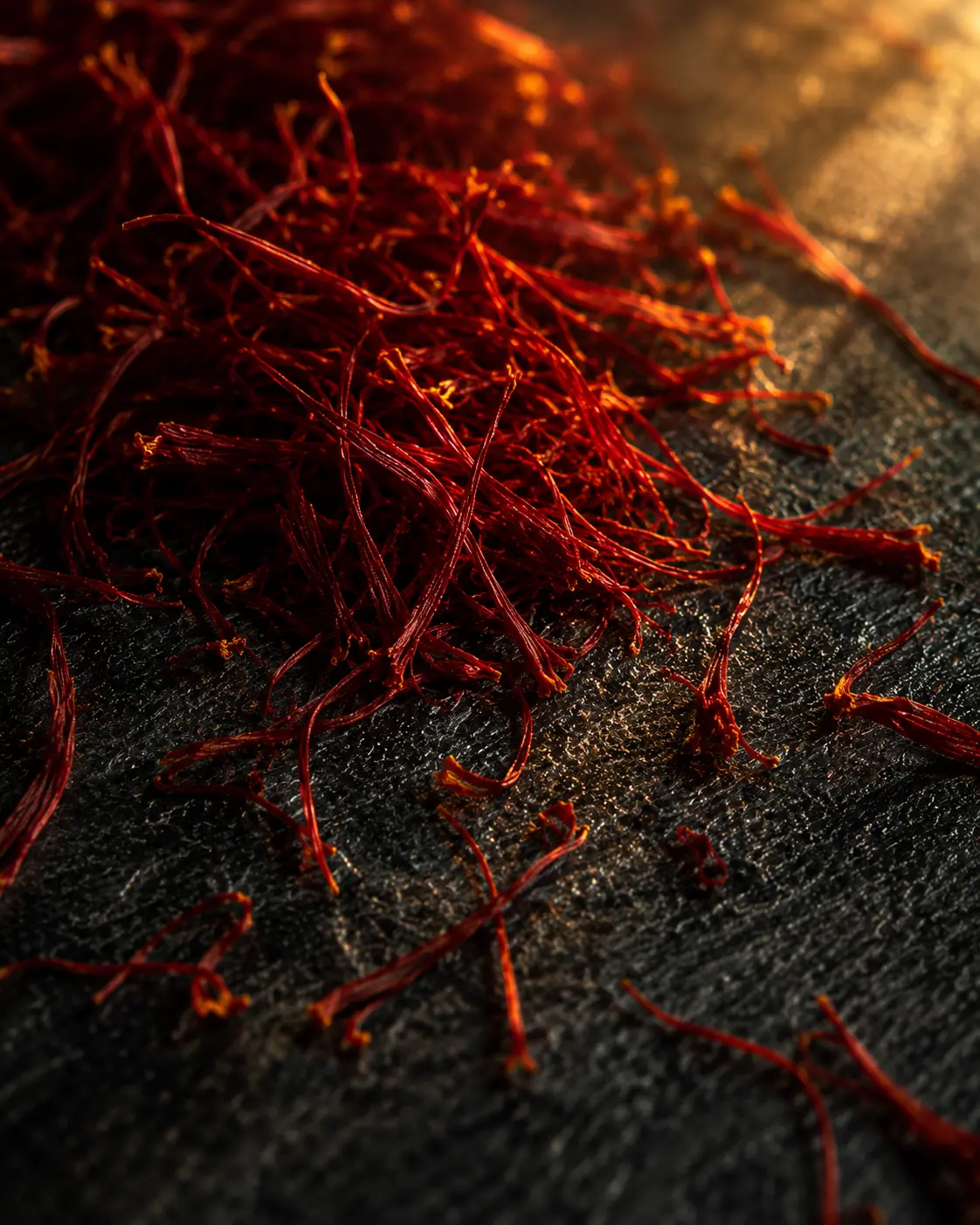
Saffron is the world's most expensive spice, a literal weight-in-gold commodity. While it is grown in countries like Iran and Spain, Kashmiri Saffron is universally recognized...
If you look at a traditional spread of Kashmiri Wazwan, you will be struck by a brilliant, fiery sea of crimson. Dishes like Rogan Josh and Rista sit on the copper Trami glistening...
While the fame of Kashmiri cuisine often centers around the meat-heavy Wazwan, no vegetable commands as much respect, love, and cultural significance in the valley as Nadru—the lotus stem...
When outsiders attempt to recreate Kashmiri cuisine, they often make a critical error: they reach for the onion, garlic, and tomato. While these ingredients dominate the rest of the Indian subcontinent...
Thirty-six courses, one copper trami — the feast Kashmir is named for.
Begin the feastA concierge that has eaten everywhere and slept nowhere — ask it anything about Kashmir.
Not a list — a seating. Scroll, and be walked from table to table.
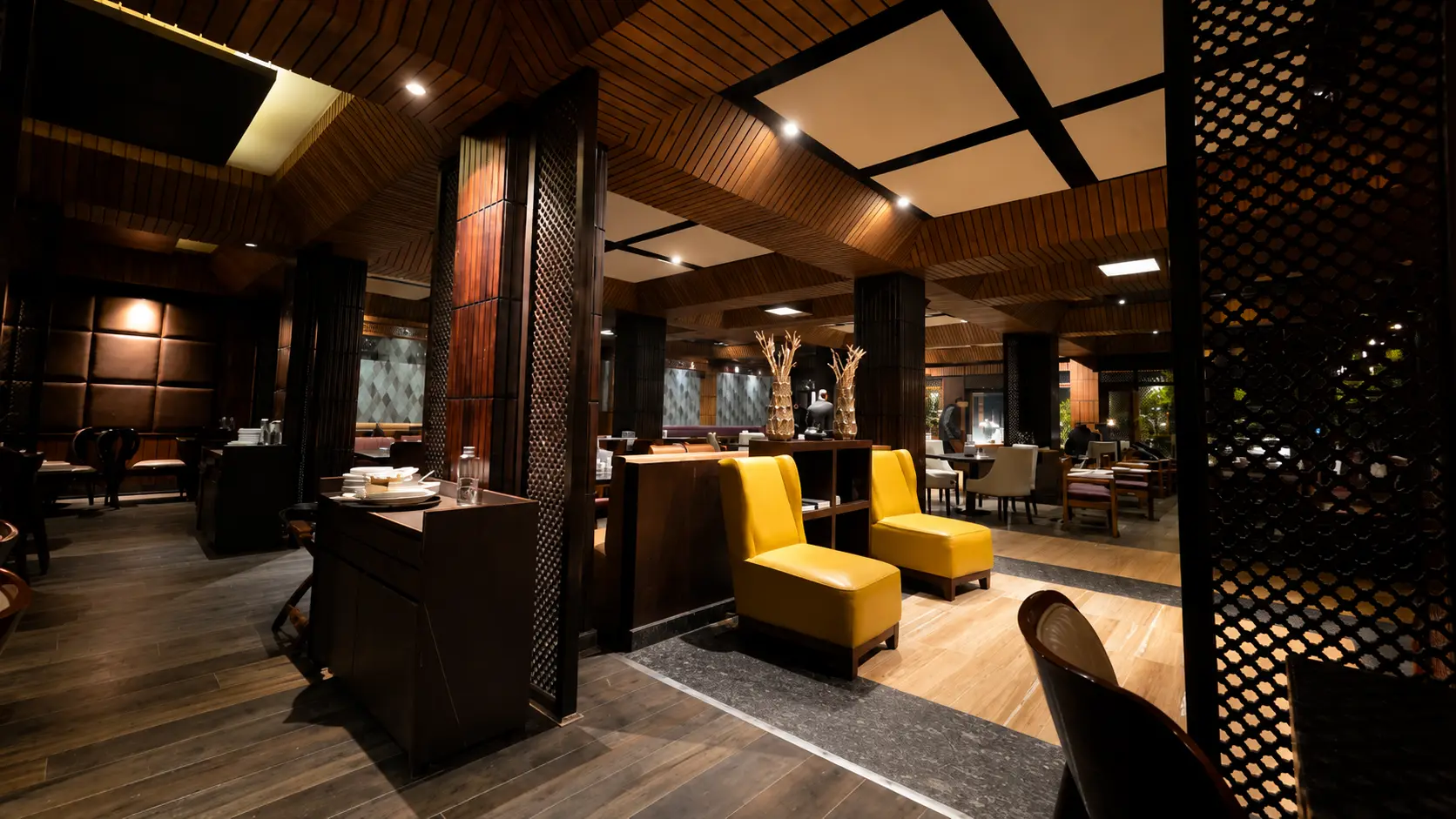
Where Srinagar has eaten since 1918.
A century-old dining room on Residency Road that taught generations what a proper Rogan Josh should taste like. Unhurried, unchanged, unmistakable.
Enter the dining room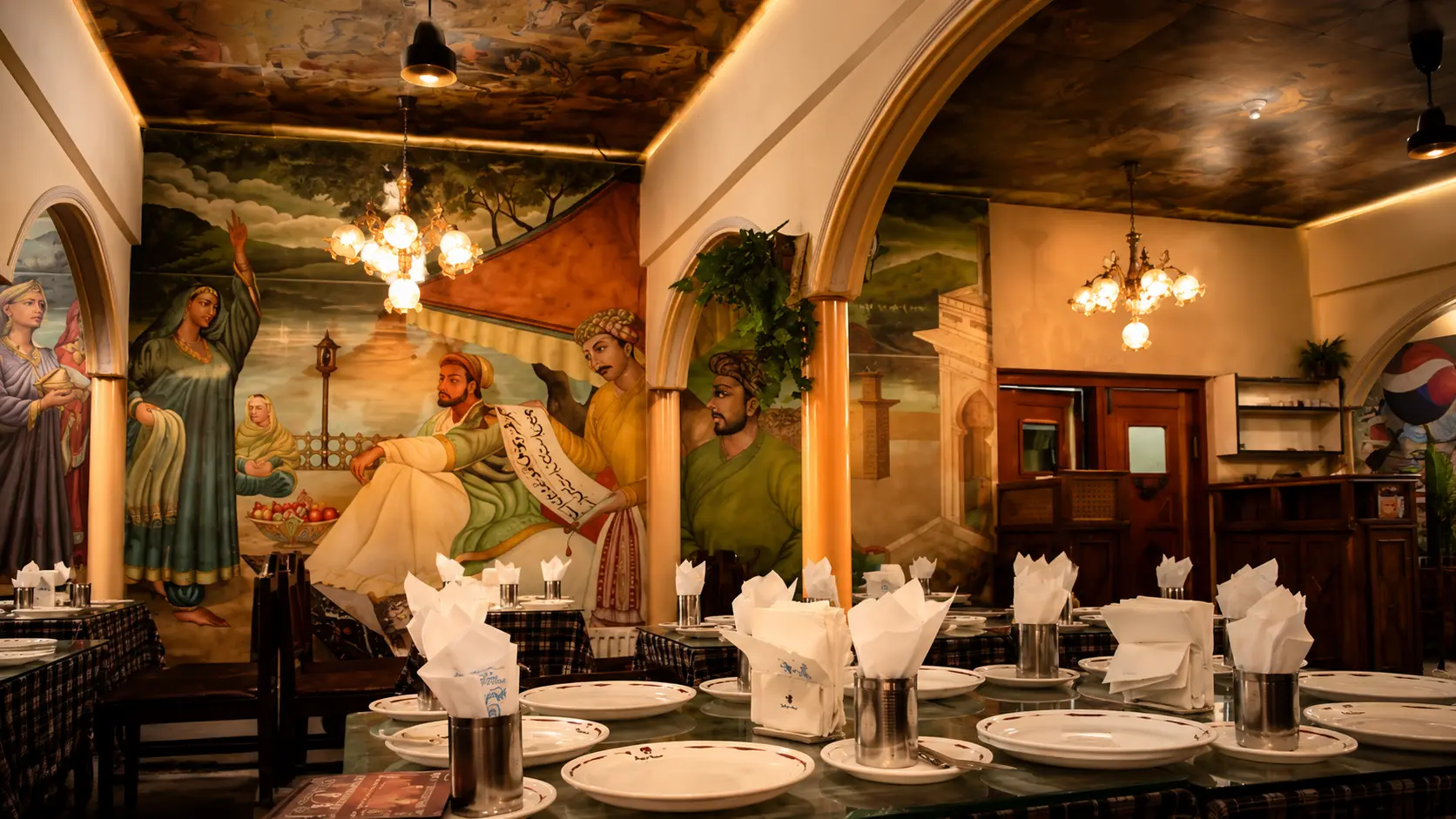
The wedding feast, every single day.
Wazas work the copper degs from dawn — the same courses served at Kashmiri weddings, plated for a table of two. Gushtaba here ends arguments.
Enter the dining room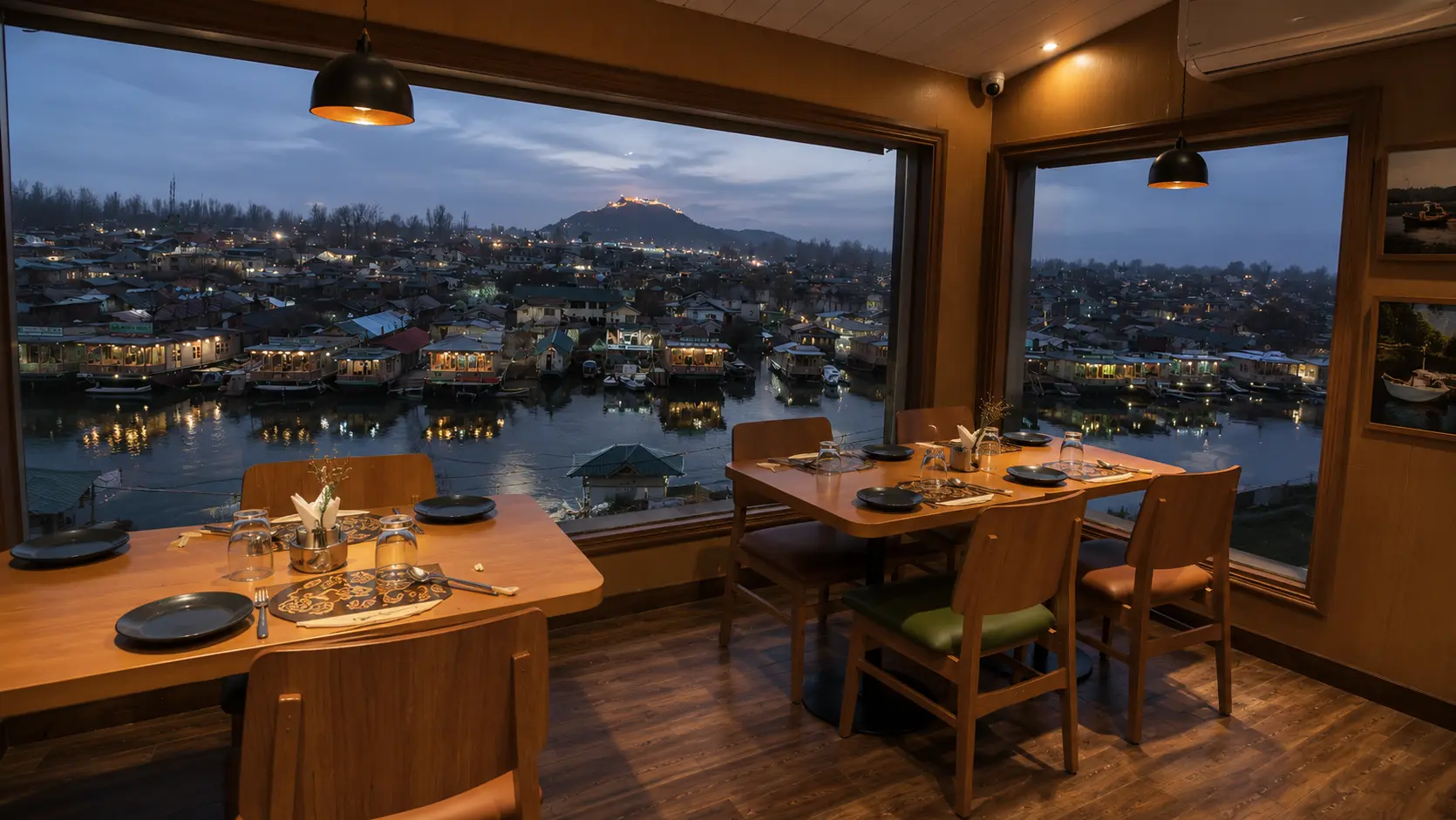
The art of dining, facing the Zabarwan.
Modern Kashmiri fine dining — heritage recipes composed like paintings, served in a room of walnut wood and candlelight beneath the mountains.
Enter the dining room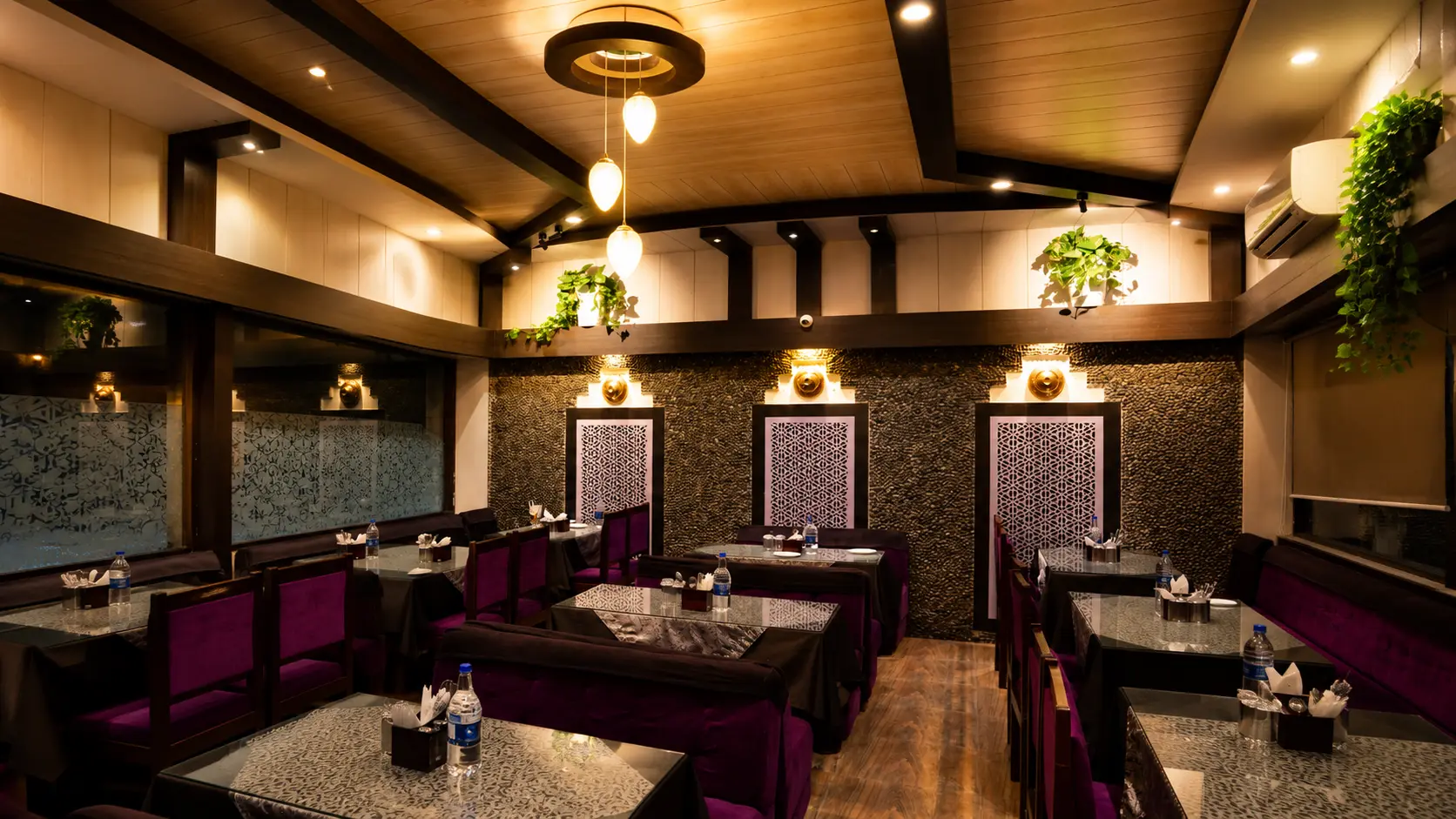
Dinner beside the still water.
A boulevard institution where houseboat lights flicker across your table. Come at dusk, order Yakhni, and let the lake do the talking.
Enter the dining room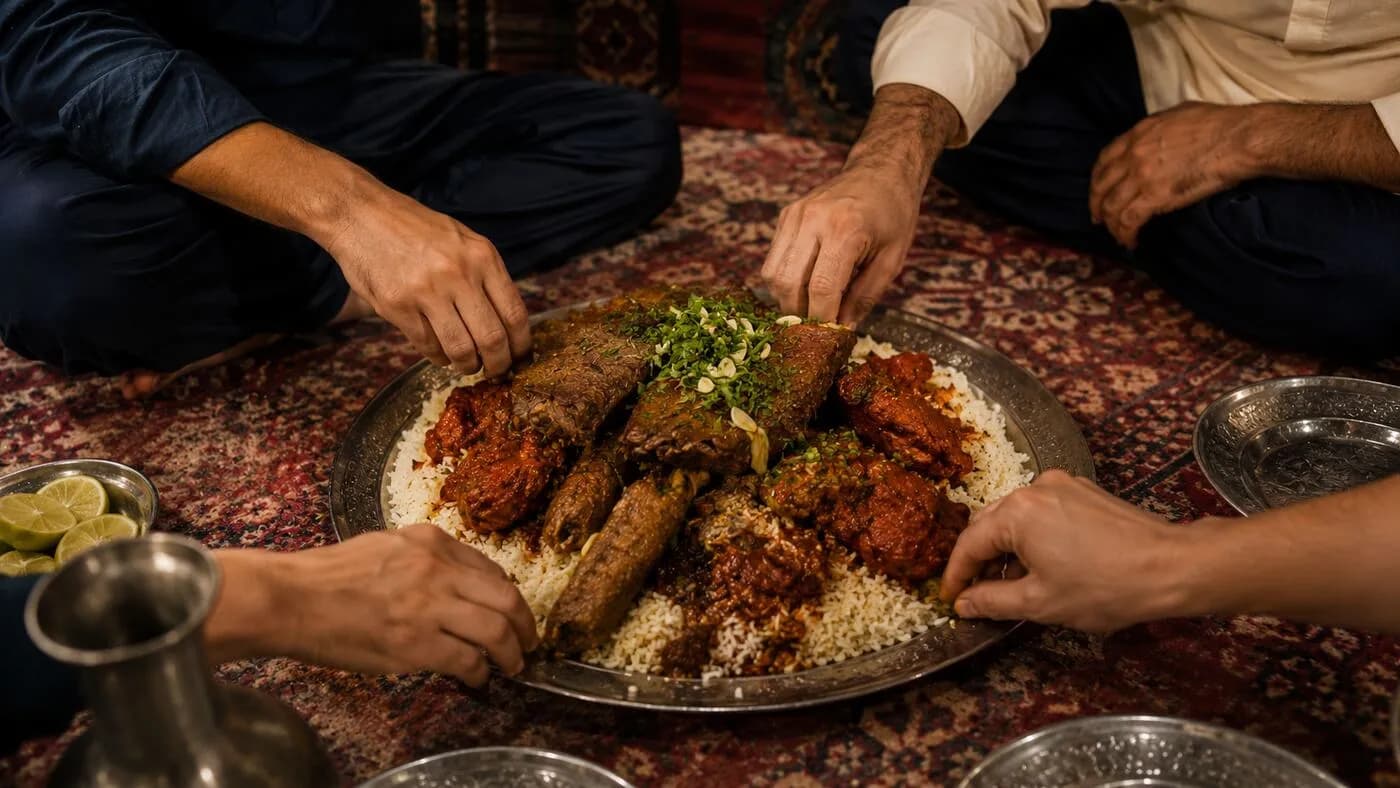
The tash-naer comes to you before the food — warm water poured over your hands. Nothing touches the rice before the water touches you.
The trami feeds four. Your wedge is yours alone; the far side belongs to a stranger — and to their trust in you.
No hand reaches before the senior one. Rank at the trami is measured in years, never in wealth.
The last course is the host's honour, pounded smooth by hand for hours. Declining it ends more than the meal.
Every pass and valley crossing in Kashmir, mapped by distance, altitude and the stops worth slowing down for. Drive one now — without leaving your seat.
One road, one steady climb into the meadow.
43.5 km · 1.5 hrs
The same valley, four different masterpieces. Watch it turn.
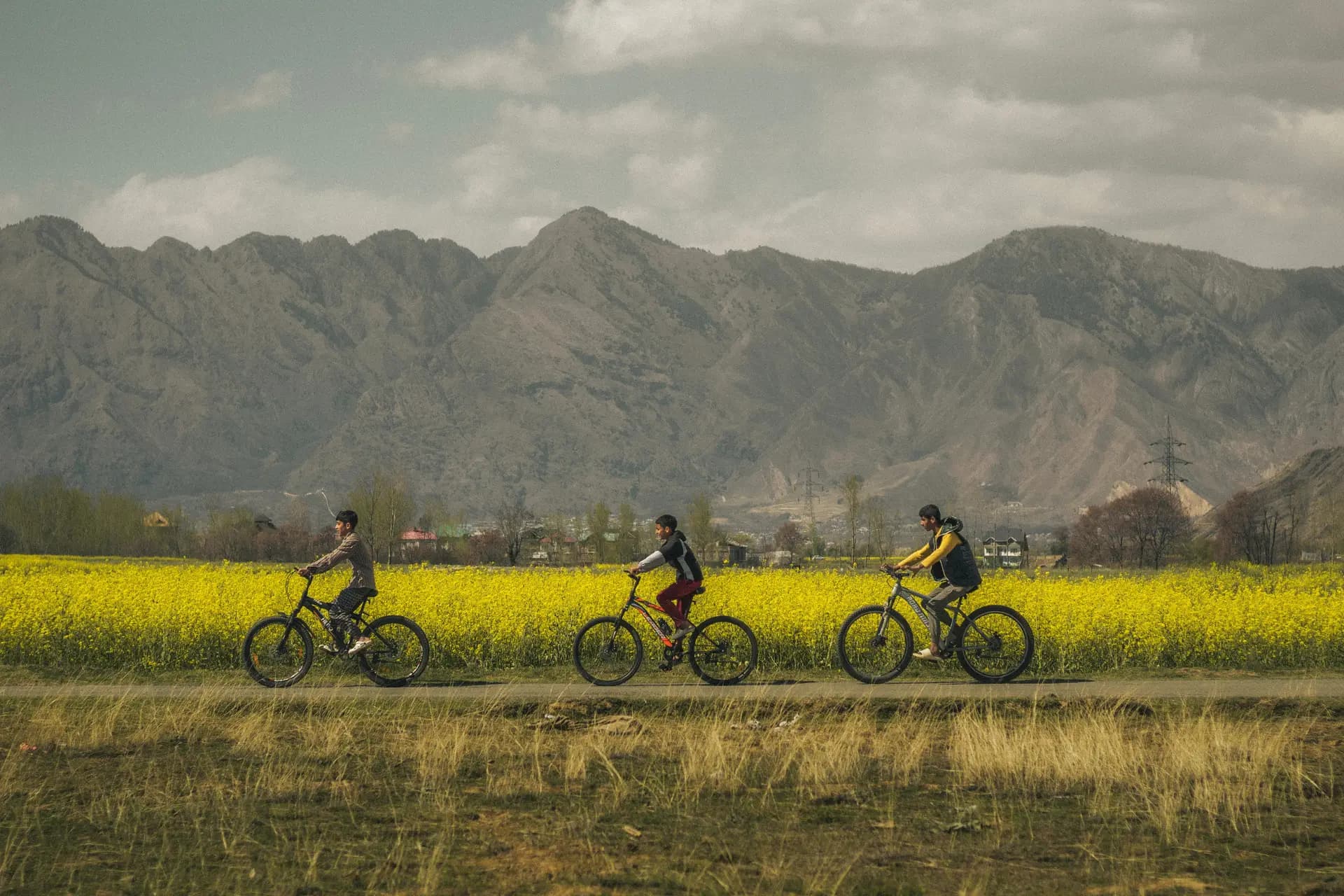
The valley wakes in tulips.
Mustard fields run gold to the mountains; mornings smell of blossom and wet earth.
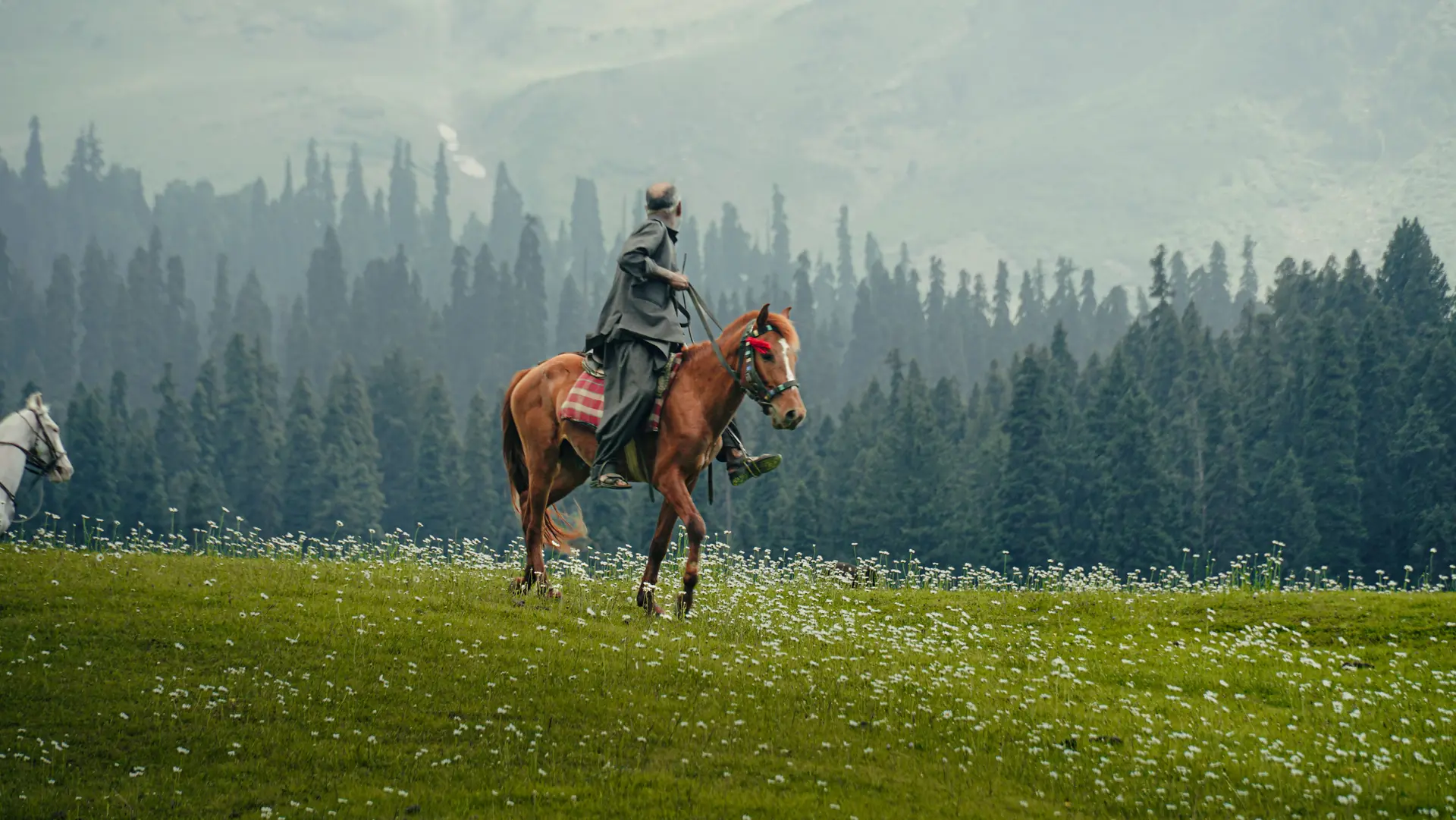
Meadows climb to the snowline.
Rivers loud with meltwater, shepherds moving higher, days that refuse to end.
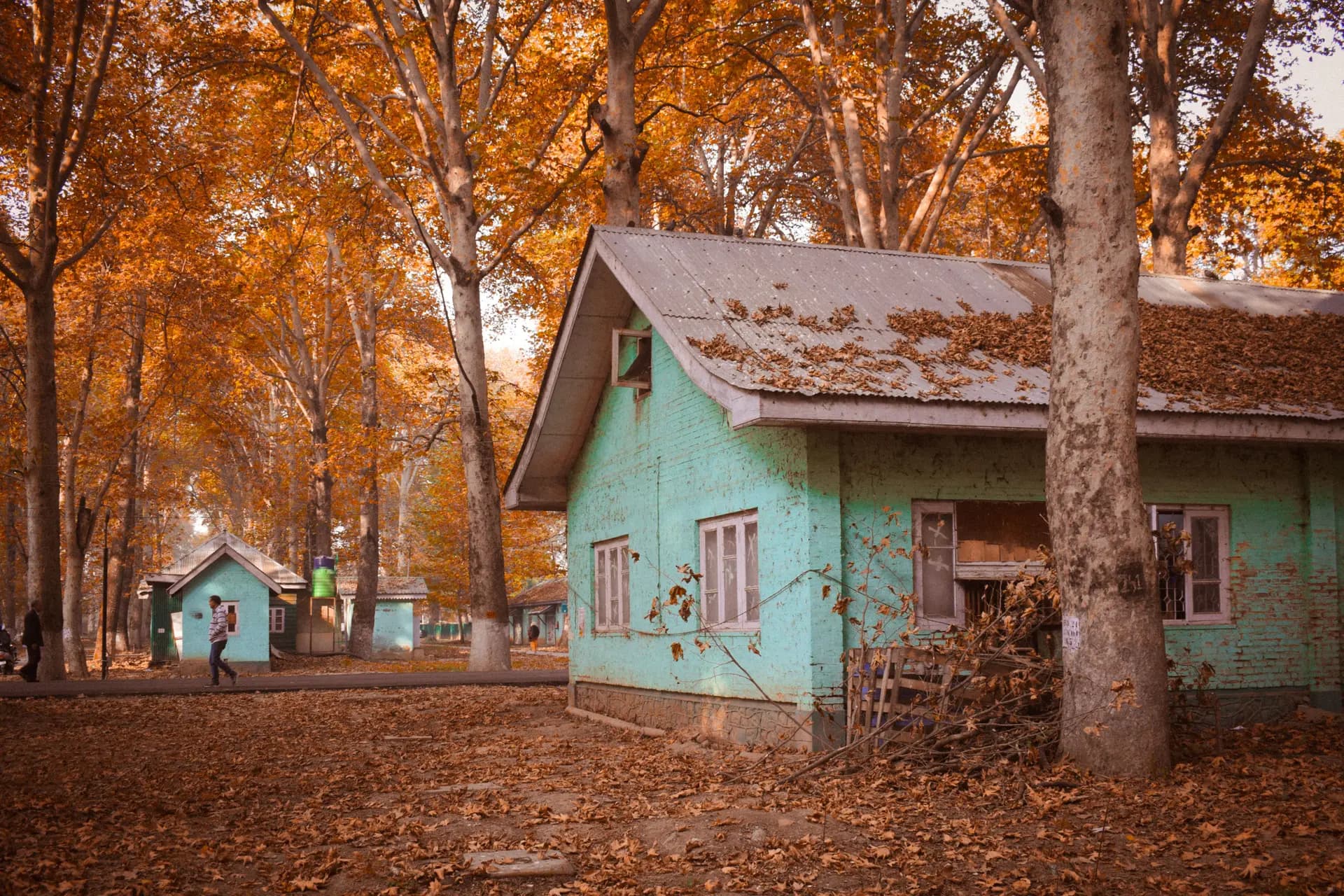
The chinars catch fire.
Orchards heavy with apples; every avenue burns amber, copper and rust.

Snow rewrites the valley.
Frozen lakes, pine forests hushed white, kangri embers glowing indoors.
No matter when you arrive, Kashmir has another story waiting.
Explore Kashmir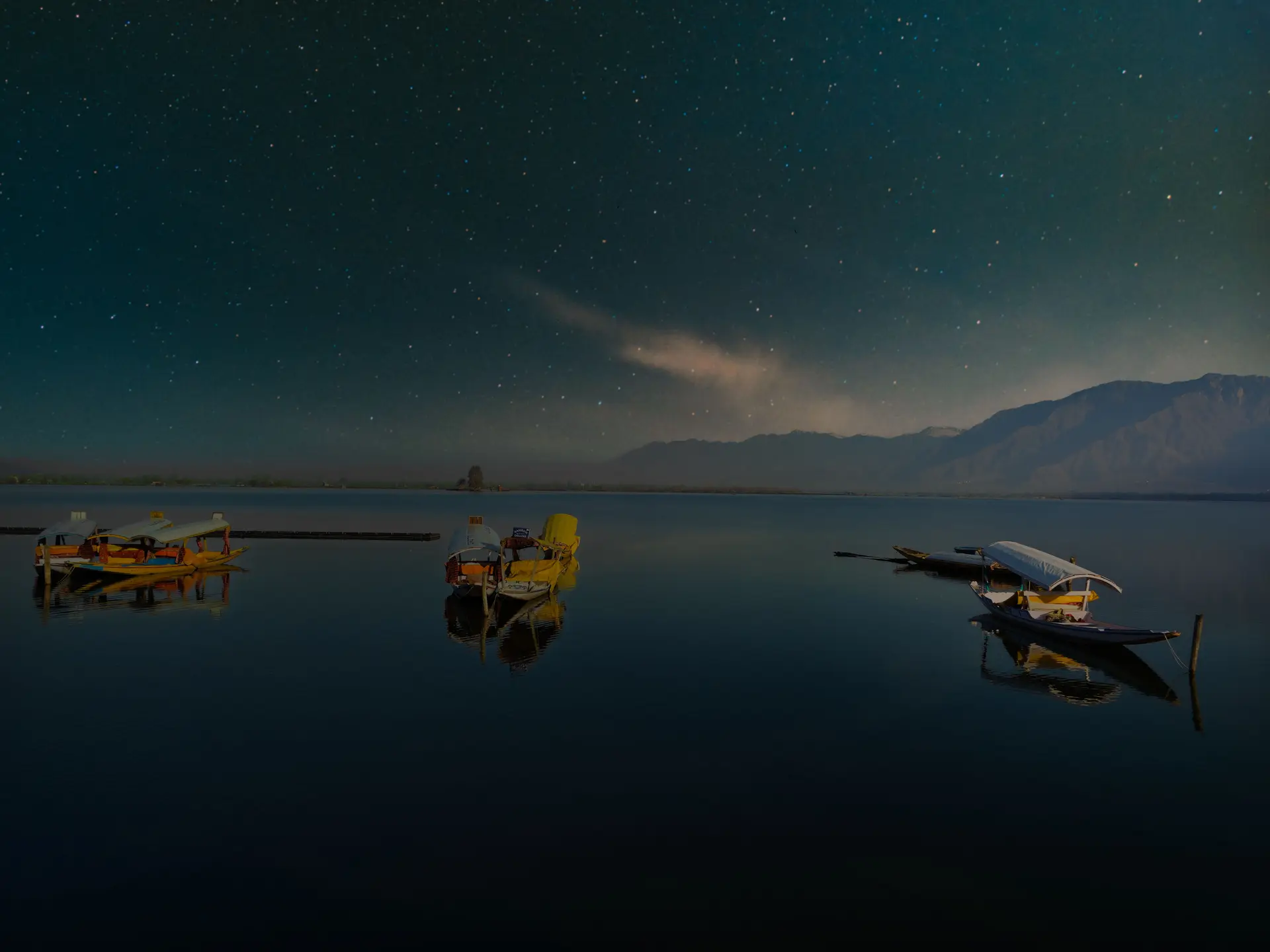
Honeymoons, one-day loops, hidden valleys, the best Wazwan near Dal Lake — Waza is the intelligence behind everything you just scrolled through.
Deep dives into the ancient traditions, cooking techniques, and daily rituals that shape the gastronomic heritage of the Kashmiri valley.
If wazwan is a symphony, Gushtaba is the final, triumphant crescendo. The meat must be hand-pounded on walnut wood...
Step into any Kashmiri neighborhood at dawn and you will follow the aroma of wood smoke and baking dough straight to the Kandur...
One is amber, sweet, and spiced with cardamom and saffron; the other is pink, salty, and thick with butter and baking soda...
To eat from a Trami is to share a bond of brotherhood. You sit in groups of four, removing shoes, and washing hands with the Tasht-naer...
At the heart of Kashmiri culinary identity lies a closely guarded secret, a flavor profile so complex and punchy that it defines the very soul of the region's dishes...
Saffron is the world's most expensive spice, a literal weight-in-gold commodity. While it is grown in countries like Iran and Spain, Kashmiri Saffron is universally recognized...
If you look at a traditional spread of Kashmiri Wazwan, you will be struck by a brilliant, fiery sea of crimson. Dishes like Rogan Josh and Rista sit on the copper Trami glistening...
While the fame of Kashmiri cuisine often centers around the meat-heavy Wazwan, no vegetable commands as much respect, love, and cultural significance in the valley as Nadru—the lotus stem...
When outsiders attempt to recreate Kashmiri cuisine, they often make a critical error: they reach for the onion, garlic, and tomato. While these ingredients dominate the rest of the Indian subcontinent...